Skip to main content

Each project we build has the power to create meaningful impact, driven by our High Performance team’s leadership in advancing Net Zero solutions. The built environment is responsible for around 40% of global CO₂ emissions, with impacts felt through energy use, carbon emissions, air quality and the long-term health of the people who spend time inside these structures. Net Zero Week is our chance to celebrate the progress we’re making and recommit to the work that matters most.
Net Zero at Pepper
A Net Zero building balances the energy it uses with renewable energy, reducing its overall carbon impact. Achieving this requires deliberate early decisions, the right materials, high-performance systems and future-ready solutions. Below are some of the tools we use every day to help our clients make decisions that transform tomorrow.
- Refrigerants. The choice of refrigerants can make the biggest impact on global warming. We raise awareness of next-gen refrigerants that are more environmentally friendly and compatible with future mechanical systems.
- Solar. Renewable energy has real benefits, from operational cost savings to supporting clean-energy sources for our communities. We provide project-specific solar analyses including array layouts, production potential, cost and available incentives and rebates.
- Water Savings. Conserving water supports resilience throughout a building’s life cycle. We investigate water-saving fixtures and rainwater-harvesting opportunities to drive down a building’s water demand.
- Insulation. Energy efficiency is directly tied to a building’s insulation performance. Our analysis identifies the optimal insulation value, saving money on both construction and ongoing operational costs over the building’s lifetime.
- Concrete. Specialized concrete mixes that capture CO2 offer the largest opportunity to minimize a building’s overall embodied carbon footprint without compromising quality or cost.
Net Zero in Action, Project Spotlights
We’re proud to be actively pursuing and delivering Net Zero outcomes across our portfolio. Below are four projects where our teams are putting these principles to work.
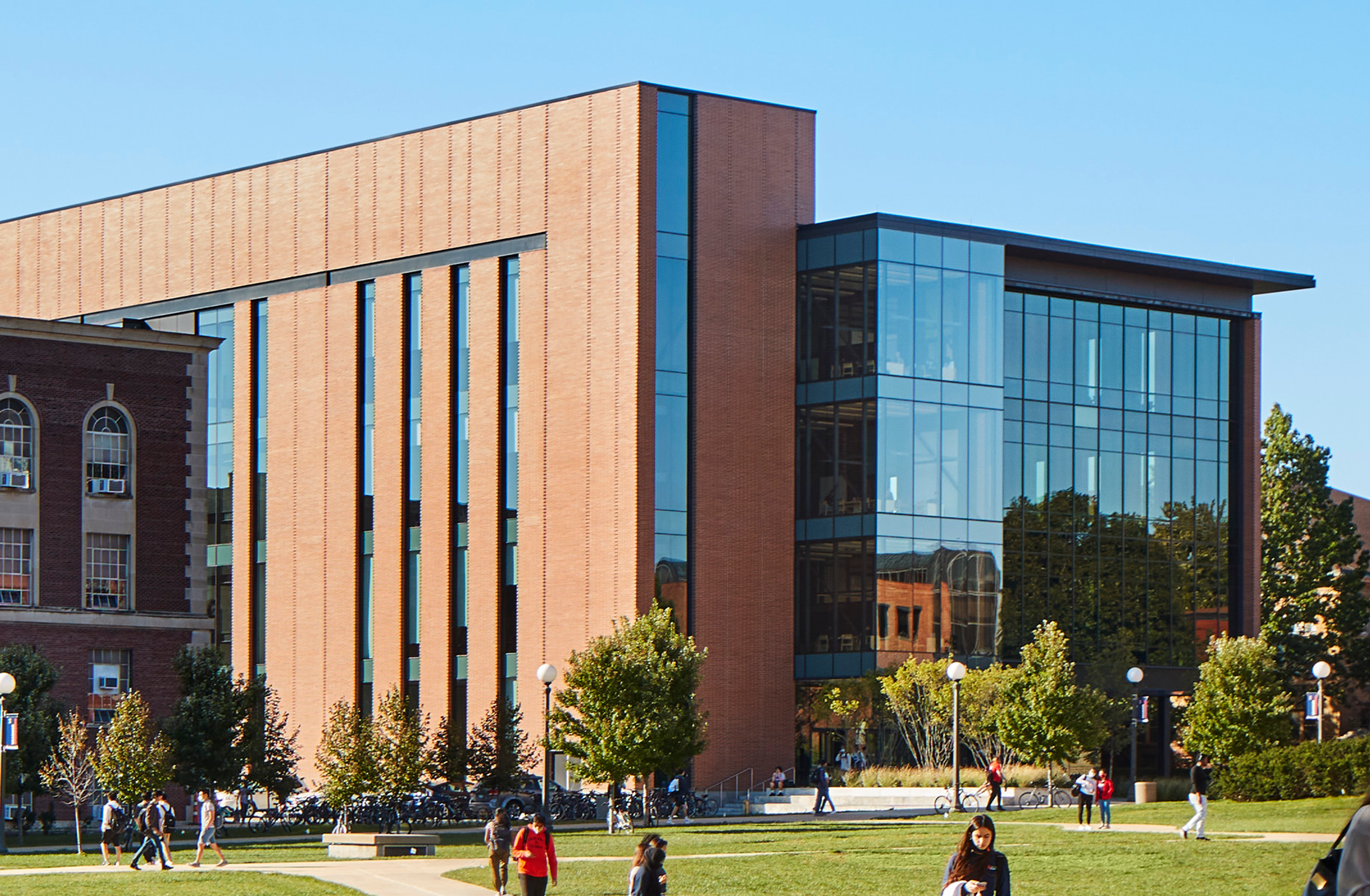
University of Illinois Campus Instructional Facility Urbana, Illinois
Architect: Skidmore, Owings & Merrill (SOM)
Strategies that contribute to Net Zero Energy:
- Heated and cooled by the largest geothermal system on campus
- Powered by UIUC's Solar Farm
- LEED BD+C v4 New Construction Platinum and LEED Zero Energy certifications
- Completed 2021
- First project to be awarded LEED Zero Energy in Illinois
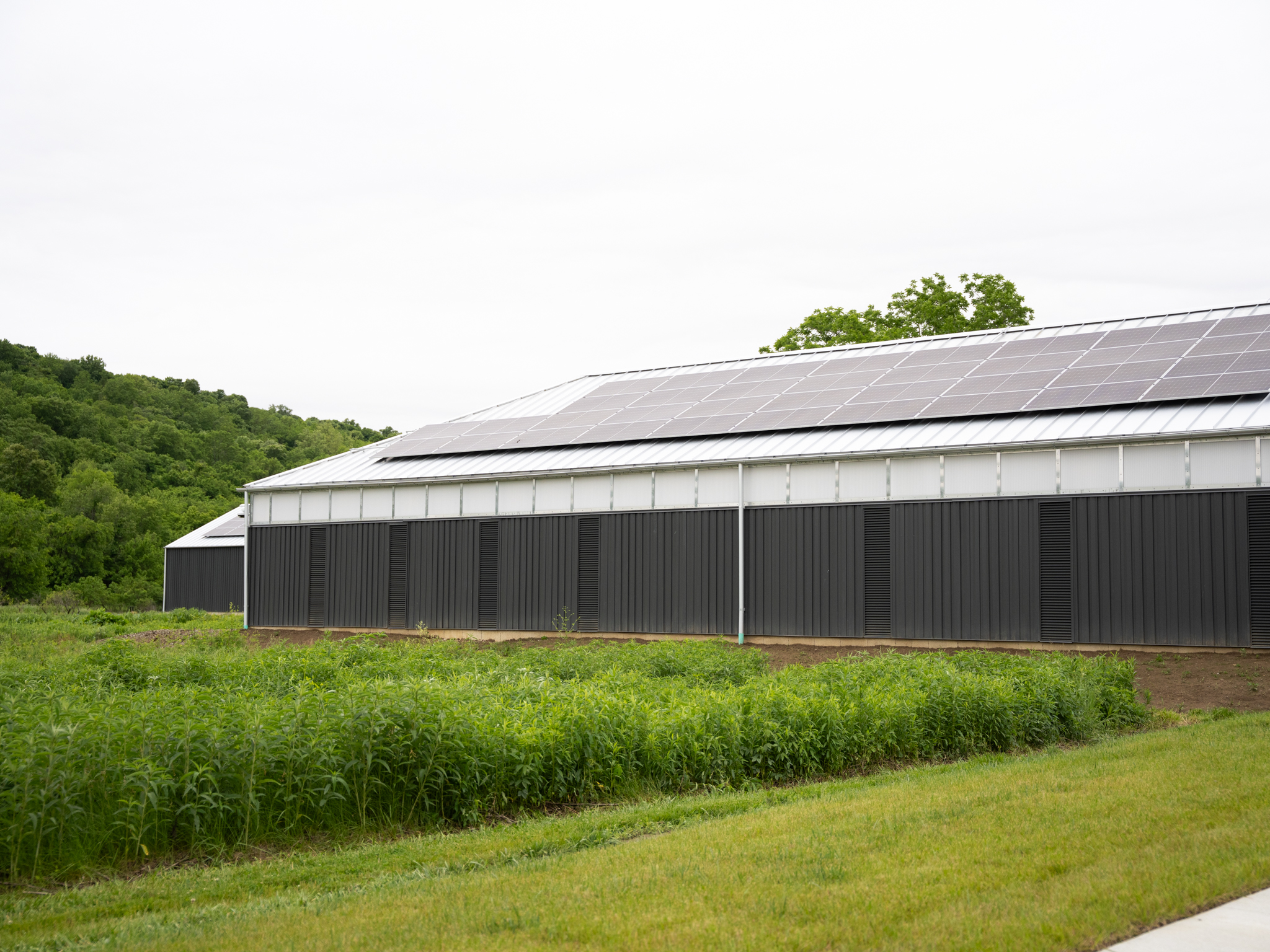
Shaker Trace Nursery Improvements Cincinnati, Ohio
Architect: Emersion Design
Strategies that contribute to Net Zero Energy:
- Designed as a Net Zero facility across four buildings, including a renovated 200-year-old barn and a greenhouse
- Pursuing Net Zero Energy certification (pending one full year of performance data), LEED v4 BD+C Gold and SITES Gold
- Rooftop solar arrays on two buildings totaling 90.0 kW, comprised of 195 Longi 550W panels and one 18.5 kW backup lithium storage battery
- Geothermal system with 20 wells at 300 feet deep, providing heating and cooling to two buildings and a radiant concrete slab in the greenhouse
- Learn more about Shaker Trace here.
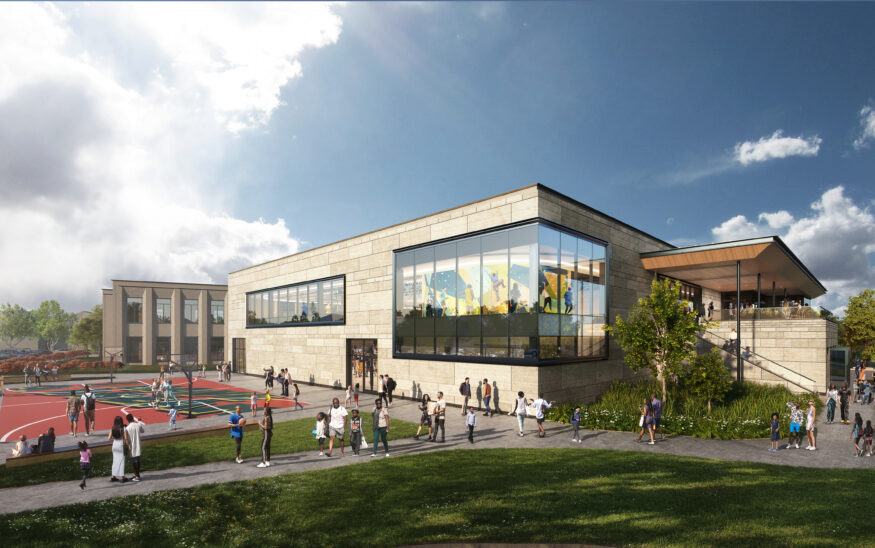
Lincoln King Community Center Racine, Wisconsin
Architect: Smith Group
Strategies that contribute to Net Zero Energy:
- Geothermal System
- Solar rooftops and carports
- Rainwater harvesting to reduce potable-water and energy demand
- Currently under construction with the goal of LEED BD+C v4 New Construction Platinum and LEED Zero Energy certifications
The Current Market in Indiana
Future Net Zero Potential in Indiana:
- The existing utility grid is stressed from current and future potential demand. Net Zero Buildings can help relieve some of this pressure.
- 2025 survey: 43% of cities and towns are participating in regional sustainability collaborations (+14% from 2022) Learn more here.
- Indianapolis has committed to reducing their 2018 per capita citywide emissions by 62.8% by 2030 and net-zero citywide emissions by 2050. Click to learn more here.
Geothermal is part of the strategy to get to Net Zero.
- Geothermal heat pumps are 30% more efficient than a traditional AHU/VAV system.
- 30% less energy usage means less energy needing to be offset with solar arrays.
Pepper is currently drilling 955 geothermal wells across four different project sites:
- IU Health Fort Wayne Hospital
- Cummins OLY 2.0 Test Facility
- Bartholemew County School Corporation Maple Grove Elementary School
- Community Health South Cancer Center
Pepper is committed to making smarter decisions today to reduce impact and improve performance across the built environment. As we recognize Net Zero Week, we reaffirm our commitment supporting a more sustainable future. Join us in continuing the conversation and advancing Net Zero outcomes across every project we build.
About the Author